
Leave Your Message

Blog

How to Choose a Clamp Carrier in 2026?

How to Choose a Clamp Carrier in 2026?

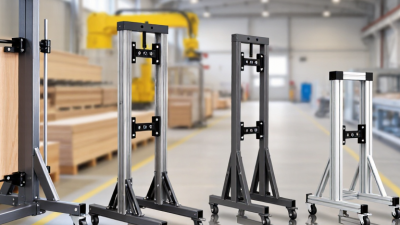
So, you're picking a clamp carrier in 2026? Forget the catalogue for a second—start with what you're actually going to put on it. Like, what's the load? And how often are you moving it? Think about your operators too: are they squeezing through tight aisles, working right next to a press, or running a production line? Because a carrier might look tough on paper, but if the clamps get in the way or the frame doesn't fit the space, it's a total pain. Sure, the whole push toward automation is a big deal, but we can't just assume that automatically means more demand for a specific product like Clamp Carriers. Let's look at the numbers from the International Federation of Robotics' World Robotics 2024 report—they counted 541,302 industrial robots installed around the globe in 2023. That's an impressive number, sure, but it's about robot installations, not about how many Clamp Carriers people are buying. Even Marina Bill, the IFR President, mentioned that the robotics industry is super dynamic right now—which is true, but it doesn't directly translate to our specific market. You know, the number of robots working in factories around the world has actually doubled in just seven years. And she makes a good point—when you're dealing with automated processes, the equipment itself has to be reliable, too. It's not just about the robots, you know? So, if you're weighing a China Clamp Carrier against other options, here's the thing—you really need to dig into the nitty-gritty: rated load, clamp range, materials, how you adjust it, and whether you can actually get spare parts when things wear out. Don't just take the spec sheet at face value; ask for drawings and test it with your actual workpiece. Honestly, the little stuff can trip you up—like a handle that clears an empty fixture but smacks right into a loaded one. Pay attention to those details, they matter more than you'd think. Also, it’s worth digging into what that supplier rating actually assumes—because a max load number by itself doesn’t really tell you whether something is safe for repeated use. There’s no one-size-fits-all model, honestly. This guide walks you through the questions that help narrow things down, but it also leaves space for an uncomfortable truth: a cheaper carrier might be perfect for one job, yet completely wrong for the next shift.
Read more »
Clara By:Clara - November 11, 2026
How to Use a Surface Planer?

How to Use a Surface Planer?

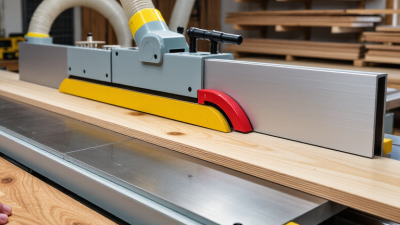
You know, a surface planer is one of those tools that makes rough, wonky lumber actually look like a proper board—consistent thickness, smoother faces, the works. On paper, it seems dead simple: set the depth, run the stock through, check what you get. But honestly? Grain direction, how stable the board is, and even the cutter condition can mess with your finish before you know it. It's the little things that end up mattering. OK, so OSHA’s Woodworking eTool calls out exposed cutting points and kickback as the big hazards around woodworking machinery. Over in the UK, the Health and Safety Executive’s Safe Use of Woodworking Machinery guidance is on the same page—effective guarding and safe operating practices are key. That’s why this guide keeps it practical: inspect the machine, secure the work area, set a conservative cut, and keep your hands clear of the feed path. And for injury context, the U.S. ... So the Bureau of Labor Statistics has this Survey of Occupational Injuries and Illnesses that tracks nonfatal workplace injuries across different industries. If you're looking for data on a specific sector, it's worth digging into their current tables instead of just going off one big headline number, you know? So, this intro walks you through using a surface planer step by step—starting with checking your stock for nails or loose knots, then measuring thickness after every pass. It also touches on the Auto Surface Planer, which is nice because the automated feed can make things more consistent. But hey, you still gotta inspect the wood. Even a clean-looking board can have tear-out. Definitely worth keeping in mind. Wood’s a tricky material—it shifts under you, and no matter how carefully you set things up, you might still miss a subtle change in grain or moisture. Honestly, the goal here isn’t to guarantee a flawless finish. It’s more about helping readers make clean, controlled cuts and notice when something’s off so they can adjust.
Read more »
James By:James - November 7, 2026
Top 10 Cold Press Machines for Global Buyers

Top 10 Cold Press Machines for Global Buyers

So you're thinking about investing in a Cold Press Machine? For juice bars, cafés, or food producers, that's a pretty practical move. But don't just compare output specs—there's more to it than that. You've got to think about what you're actually juicing, how much you need per day, how painful cleanup is going to be, whether you can get spare parts, and if there's reliable local service. A machine that plows through carrots might totally struggle with leafy greens. So yeah, the details really do matter. According to Grand View Research, the global fruit juice market was worth about $154.18 billion in 2023, and they're expecting it to grow at a compound annual rate of 6.3% between 2024 and 2030. Just to be clear, that report covers the whole fruit juice category—not cold-press equipment sales specifically. So it gives us some commercial context, but it definitely doesn't guarantee you'll sell a ton of machines. On a related note, Norman W. Walker, who wrote “Fresh Vegetable and Fruit Juices,” was a big advocate for freshly extracted produce juices. His take goes a long way in explaining why gentle extraction is so appealing—but let's be real: it's not a modern equipment test, and it doesn't prove any health benefits. Real-world checks? Way less glamorous. How fast can staff rinse the screen? Can the press survive a morning rush without overheating? And are replacement parts even available across borders? They sound like small questions, but the answers can be costly. There's no one-size-fits-all model, and those published capacity numbers? They might not hold up when you're dealing with mixed produce or running it nonstop. So yeah, that deserves a closer look. Okay, so this isn’t your typical Top 10 list — it actually digs into how each machine handles day-to-day operation, how solidly it’s built, what upkeep looks like, and how the buyer support stacks up. I’ve also tried to call out any trade-offs or places where the specs feel a bit murky, so you know what to double-check. Think of it as a shortlist to get you started — once you’ve narrowed it down, go straight to the suppliers for current pricing, warranty details, and what service coverage actually includes.
Read more »
James By:James - November 3, 2026
Why Choose a Band Saw for Your Business?

Why Choose a Band Saw for Your Business?

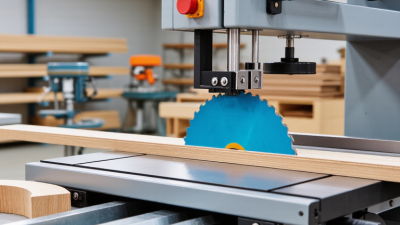
Honestly, a band saw can really earn its keep in a shop where you’re dealing with all kinds of materials, repeating the same cuts over and over, and where wasted stock actually hurts your bottom line. Depending on the blade you put in it, it can handle straight lines or curves through wood, metal—whatever’s compatible. And on a busy floor, that kind of flexibility means you don’t have to keep shuffling work from one machine to another. That said, it’s not some magic shortcut to perfect results. When you're cutting on a bandsaw, it's not just one thing that matters. The blade you pick, how much tension it's got, the guides, and even the feed rate—they all play a part in the final cut. Alex Snodgrass, who teaches bandsaw stuff, always hammers on setup. Honestly, his whole deal can be summed up pretty simply: tune the saw before you blame it. And that really matters if you're trying to keep cuts consistent all day long. A machine that's dialed in just works better—cleaner edges, less wasted material, and you're not constantly fighting it. It's the little things, too. If your blade starts drifting, you'll notice. Rough edge, or worse, you ruin an expensive piece and have to start over. Alright, so this article basically looks at where a band saw actually makes sense in a business, what kinds of materials and jobs it’s good for, and what you should really think about before buying one. We’ll dig into blade costs, how much floor space it’ll take up, operator training, maintenance, and safety features too. Honestly, the right saw isn’t the one with the flashiest brochure — it’s whatever fits your real production needs. So before you hand over any cash, compare the cut capacity against the stock sizes you typically use, and if you can, test it on the materials you’ll actually be cutting. And don’t ignore the trade-offs. They matter more than you’d think. I'll admit, a band saw can seriously boost your versatility in the shop. But here's the thing—you can't just wing it when it comes to setup and routine maintenance. Those need a bit of planning, plain and simple.
Read more »
James By:James - November 3, 2026
How to Choose the Best Sliding Table Saw in China?

How to Choose the Best Sliding Table Saw in China?

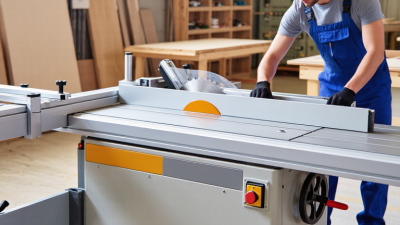
Alright, so you're looking at sliding table saws in China? First thing to ask yourself is what you'll actually be using it for. A big cabinet shop cutting full-size panels obviously needs something different than a small workshop churning out doors or furniture parts. And honestly, don't get too hung up on motor power. You want to look at the sliding carriage length, how stable the table is, whether the fence adjusts smoothly, blade tilt, and—this is big—whether it can hold repeatable dimensions. Ask the supplier for specs, request some operating videos, and get clear photos of the controls and safety guards. It's the little details that really matter. Honestly, if your carriage moves smoothly when it's carrying a load, it makes a world of difference—you save time and avoid those uneven cuts. So when you're shopping around for a sliding table saw, don't just look at the specs—actually ask the supplier how they check alignment and, more importantly, what kind of support you'll get after it's delivered. You'll also want to nail down the details on installation, spare parts, warranty, and even the electrical setup. And if you get the chance, try to see a sample cut on something close to what you'd actually be using, like a veneered board or solid wood panel. That'll tell you a lot. Honestly, you’ve got to measure the actual result—don’t just get swept up in a polished demo. A shiny catalog isn’t proof of anything. And don’t forget to verify the export documents and certifications for your destination and your specific model. Sure, these checks won’t eliminate every risk; even a remote video can hide vibration or noise. That’s worth keeping in mind. The best machine isn’t necessarily the most powerful or the cheapest one. It’s the one whose verified performance, service setup, and operating limits truly fit your day-to-day workload.
Read more »
Eleanor By:Eleanor - November 3, 2026